Bus Numbers and Route Numbers
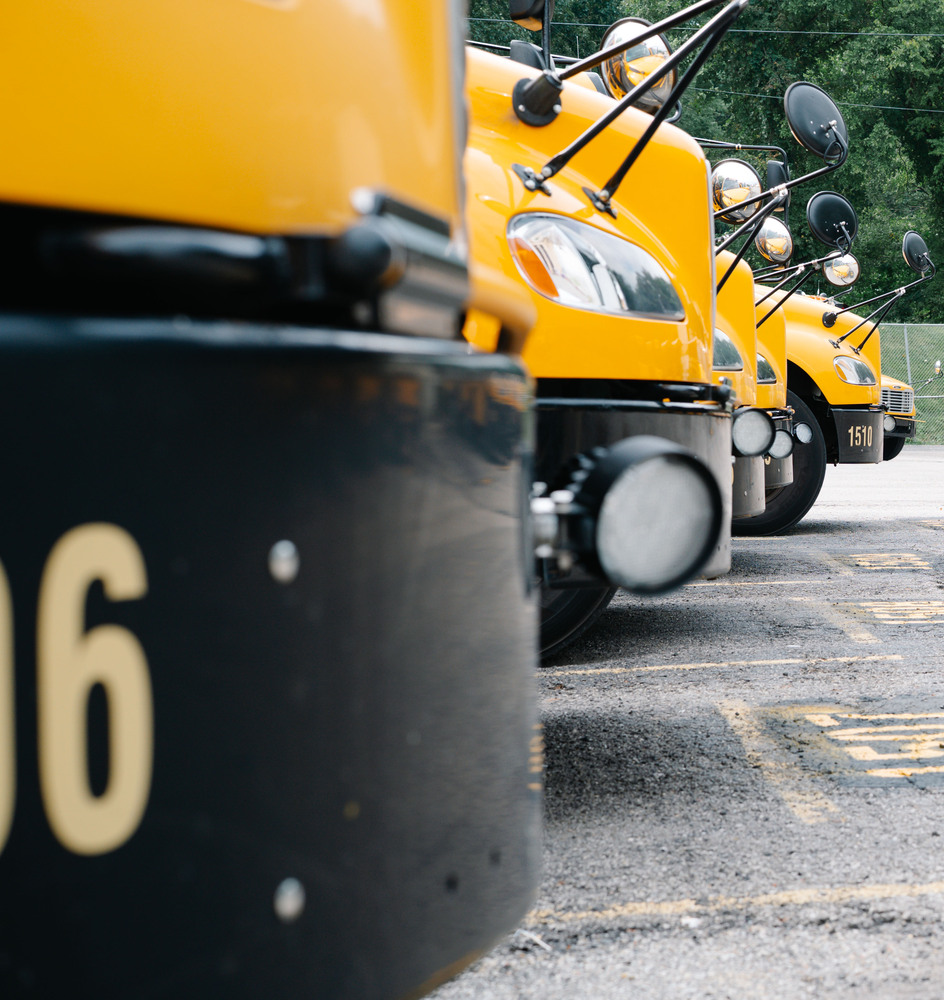
The bus number identifies the vehicle. The KCS route number tells students which bus to board.
Kanawha County Schools began using route numbers this school year to make transportation information more consistent and help afternoon dismissal run more smoothly.
Because families and students have traditionally identified school buses by their permanent bus numbers, seeing both numbers on the same bus can take some adjustment. Here is how to tell them apart and know which one students should follow.
Start With the First Two Letters
Every KCS route begins with a two-letter abbreviation identifying the high school feeder area. The numbers that follow identify the specific route.
SA - St. Albans High School feeder area route letters
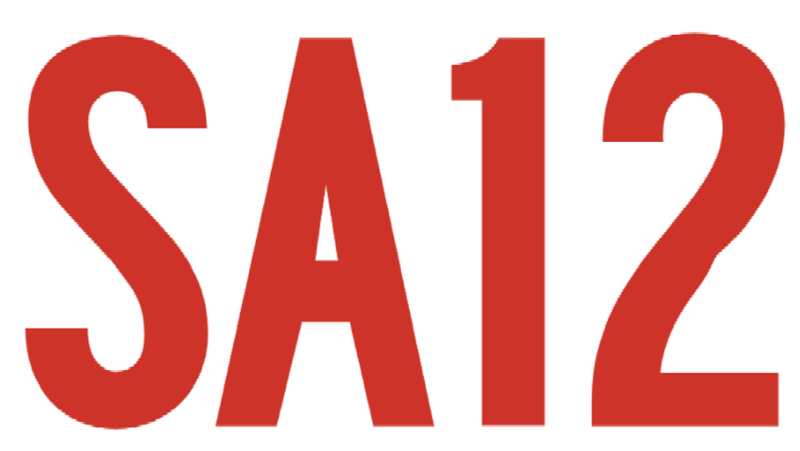
Example of St. Albans Area Route Magnet:
RH - Riverside High School feeder area route letters
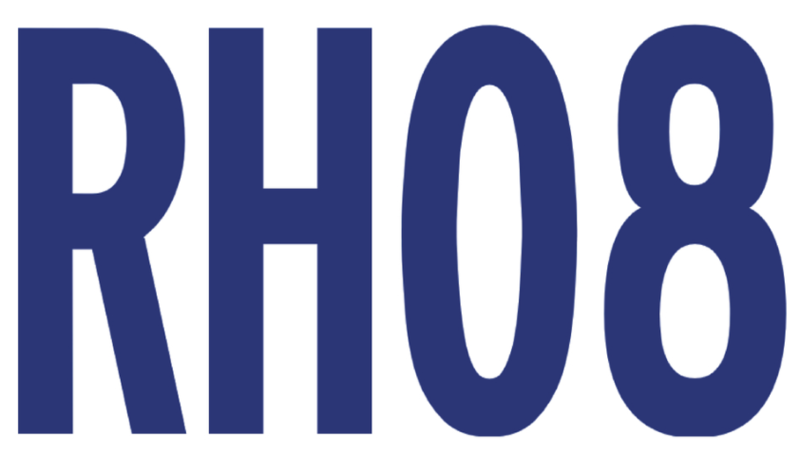
Example of Riverside Area Route Magnet:
NH - Nitro High School feeder area route letters
Example of Nitro Area Route Magnet:
SH - Sissonville High School feeder area route letters
Example of Sissonville Area Feeder Magnet:
CH - Capital High School feeder area route letters
Example of Capital Area Feeder Magnet:
HH - Herbert Hoover High School feeder area route letters
Example of Hoover Area Feeder Magnet:
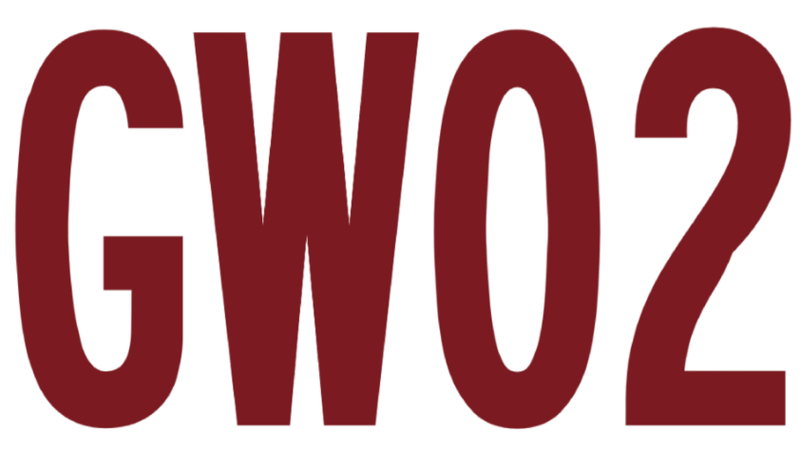
GW - George Washington High School feeder area route letters
Example of GW Area Feeder Magnet:
SC - South Charleston High School feeder area route letters
Example of SC Area Feeder Magnet:
 These abbreviations apply to every route in the feeder area, including routes serving elementary and middle schools. For example, all routes serving schools in the St. Albans High School feeder area begin with SA, regardless of which school the student attends.
Where Is the Route Number Displayed?
On the right side of the bus, the passenger-door side, families will see the permanent bus number displayed near the front. Directly behind that number, one or more white KCS Route Number magnets will be displayed.
Every route magnet has:
A white background
The route’s two-letter feeder-area abbreviation
The numbers identifying the specific route
Lettering in a color representing the high school for that feeder area
The color provides an additional visual cue, but students should match their complete route designation, including both the letters and numbers.
The permanent bus number must remain visible, so KCS cannot cover it when displaying the route magnet. That is why both numbers appear on the bus.
What Do Multiple Magnets Mean?
If a bus has several route magnets displayed during afternoon pickup, it means routes have been combined, or the bus is transporting students to another bus.
Students should look for their assigned route among the displayed magnets and follow directions from school staff.
Why Did KCS Switch to Route Numbers?
The permanent bus number stays with the physical vehicle. The route number stays with the route.
If a different bus must operate a route because of maintenance, a breakdown, or another transportation need, students can continue looking for their regular route number instead of having to learn a different bus number.
This reduces the number of afternoon changes students, families, and staff must track and allows schools to manage dismissal more efficiently.
The Easiest Way to Remember
When identifying a student’s bus:
Look on the right, passenger-door side of the bus.
Find the white route magnet behind the permanent bus number.
Match the first two letters to the student’s feeder area.
Match the remaining numbers to the student’s complete assigned route.
Find the white magnet. Start with the letters. Match the complete route.